
The Ultimate Guide to Exercise Bikes: Pedaling Toward Your Fitness Goals In an age where convenience typically determines lifestyle choices, finding trusted methods to stay active at home has ended up being a leading priority for lots of fitness enthusiasts. Amongst the myriad of home health club equipment readily available, the exercise bike remains a timeless staple. Whether the objective is weight loss, cardiovascular endurance, or rehab, the indoor cycling machine offers a versatile, low-impact option for users of all fitness levels. (Image: https://cdn.freshstore.cloud/template/images/7170/2/c/exercise-bikes-min-jpg-original.jpg) Understanding the nuances of various models, their benefits, and how to pick the ideal one can make the difference in between a dust-collecting coat rack and a treasured piece of day-to-day physical fitness equipment. Why Choose an Exercise Bike? Indoor biking has actually risen in popularity, and for excellent factor. Unlike running or high-impact aerobics, biking locations minimal tension on the joints, making it an outstanding option for individuals of any ages, consisting of those recovering from injuries. Key Benefits of Indoor Cycling:Cardiovascular Health: Regular cycling reinforces the heart and lungs, improves blood flow, and reduces resting heart rate.Low-Impact Movement: The fluid motion of pedaling protects the knees, hips, and ankles from the disconcerting impact associated with treadmills or pavement running.Calorific Burn: Depending on intensity and body weight, a vigorous biking session can burn anywhere from 400 to 600 calories per hour.Muscle Tone: Cycling mainly targets the lower body– engaging the quadriceps, hamstrings, glutes, and calves– while also recruiting the core for stabilization.All-Weather Convenience: Rain, snow, or severe heat will never disrupt a set up exercise when the gym is just a couple of actions away in the living space.Kinds Of Exercise Bikes Before buying, one need to comprehend that not all exercise bikes are constructed the same. They typically fall into three main categories, each designed to cater to various biomechanics and user preferences. 1. Upright Bikes The upright bike carefully mimics the feel of a traditional outdoor roadway bike. The user sits upright, and the pedals are positioned straight underneath the body. Best For: General physical fitness, high-intensity period training (HIIT), and standard cycling workouts.Pros: Compact footprint, engages core muscles more due to the upright posture, and typically mimics a natural biking feel.Cons: Can cause lower back or neck pressure during longer sessions for newbies.2. Recumbent Bikes Recumbent bikes include a bigger, bucket-style seat equipped with a back-rest. The pedals are positioned out in front of the user rather than below. Best For: Seniors, individuals with neck and back pain, and those looking for comfy, prolonged cardio sessions.Pros: Exceptional lumbar support, highly comfy, and reduces upper-body stress.Cons: Takes up more floor area and usually provides a less extreme upper-body/core workout.3. Indoor Studio Cycles (Spin Bikes) Studio cycles are designed to duplicate outdoor racing bikes. They feature heavy flywheel systems, direct-resistance knobs, and handlebars that permit the rider to stand and pedal out of the saddle. Best For: Advanced cyclists, group physical fitness enthusiasts, and those trying to find extreme, sweat-inducing exercises.Pros: Highly resilient, enables out-of-the-saddle climbing simulations, and sets extremely well with virtual biking classes.Cons: The racing saddle can be uncomfortable at first, and the lack of automated resistance on budget plan models needs manual changes.Comparing the Options: At-a-Glance To help imagine the differences between the three primary types of exercise bikes, reference the comparison table listed below: FeatureUpright bike home exerciseRecumbent BikeStudio Cycle (Spin Bike)Primary FocusGeneral cardio & & muscle toningConvenience, rehab, & & back supportHigh-intensity training & & racing simulationSeating PostureUpright, somewhat leaned forwardReclined with full back assistanceForward-leaning, aggressive racing postureSpace RequirementSmall/ CompactBig/ ModerateSmall to ModerateJoint ImpactReally LowIncredibly LowLowStanding CapabilityRare/ Not suggestedNoYes (Out-of-saddle riding)Ideal UserGeneral physical fitness loversBeginners, seniors, back-pain patientsSevere cyclists, HIIT fansSecret Features to Look For When Buying Choosing the right stationary bicycle includes evaluating numerous important mechanical and technological requirements. Resistance MechanismsFriction Resistance: Uses felt pads that press against the flywheel. It is typical in budget plan spin bikes, extremely adjustable, but needs regular pad replacement.Magnetic Resistance: Uses magnets and a metal flywheel. It is virtually silent, extremely smooth, requires no maintenance, and enables precise digital resistance modifications.Flywheel Weight For studio cycles, a much heavier flywheel (normally between 30 to 40 pounds) supplies a smoother, more momentum-driven pedal stroke that closely looks like riding outdoors. Lighter flywheels are common on upright and recumbent bikes because they rely on magnetic resistance rather than raw momentum. Adjustability An ill-fitting bike can lead to knee pain, tingling, and bad top exercise bikes effectiveness. Make sure the bike functions: Vertical and horizontal seat modification (so the knee lines up properly over the pedal axle).Handlebar modification (height and reach).Protected pedal straps or toe cages (clipless pedal compatibility is a bonus offer for devoted bicyclists).Console and Connectivity Modern stationary bicycle are rapidly developing into home entertainment and coaching centers. When shopping, think about: Basic LCD screens: Great for tracking time, speed, range, and calories without a monthly subscription cost.Smart HD Touchscreens: Allow users to stream live and on-demand classes (such as Peloton, Zwift, or iFit), though they generally require a continuous subscription.Tips for Maximizing Your Workout Owning an Mini Exercise Bike bike is only half the battle; using it efficiently guarantees long-lasting success. Preserve Proper Form: Keep your shoulders unwinded, prevent locking your elbows, and ensure there is a slight bend in your knee at the bottom of the pedal stroke.Integrate Interval Training: Alternate between high-resistance sprints and low-resistance recovery durations to boost caloric burn and cardiovascular endurance.Stay Hydrated and Cool: Indoor cycling triggers extreme sweating due to the absence of natural air flow. Keep a water bottle handy and think about placing a fan in front of the bike.Develop a Routine: Consistency defeats intensity. Goal for 3 to four sessions per week, slowly increasing period and resistance as physical fitness enhances.Last Thoughts The stationary bicycle stays a gold requirement in home physical fitness for a factor: it delivers outcomes. By comprehending the distinctions in between upright, recumbent, and studio designs, and by thoroughly assessing features like resistance and adjustability, anyone can discover a device that fits their body, space, and spending plan.
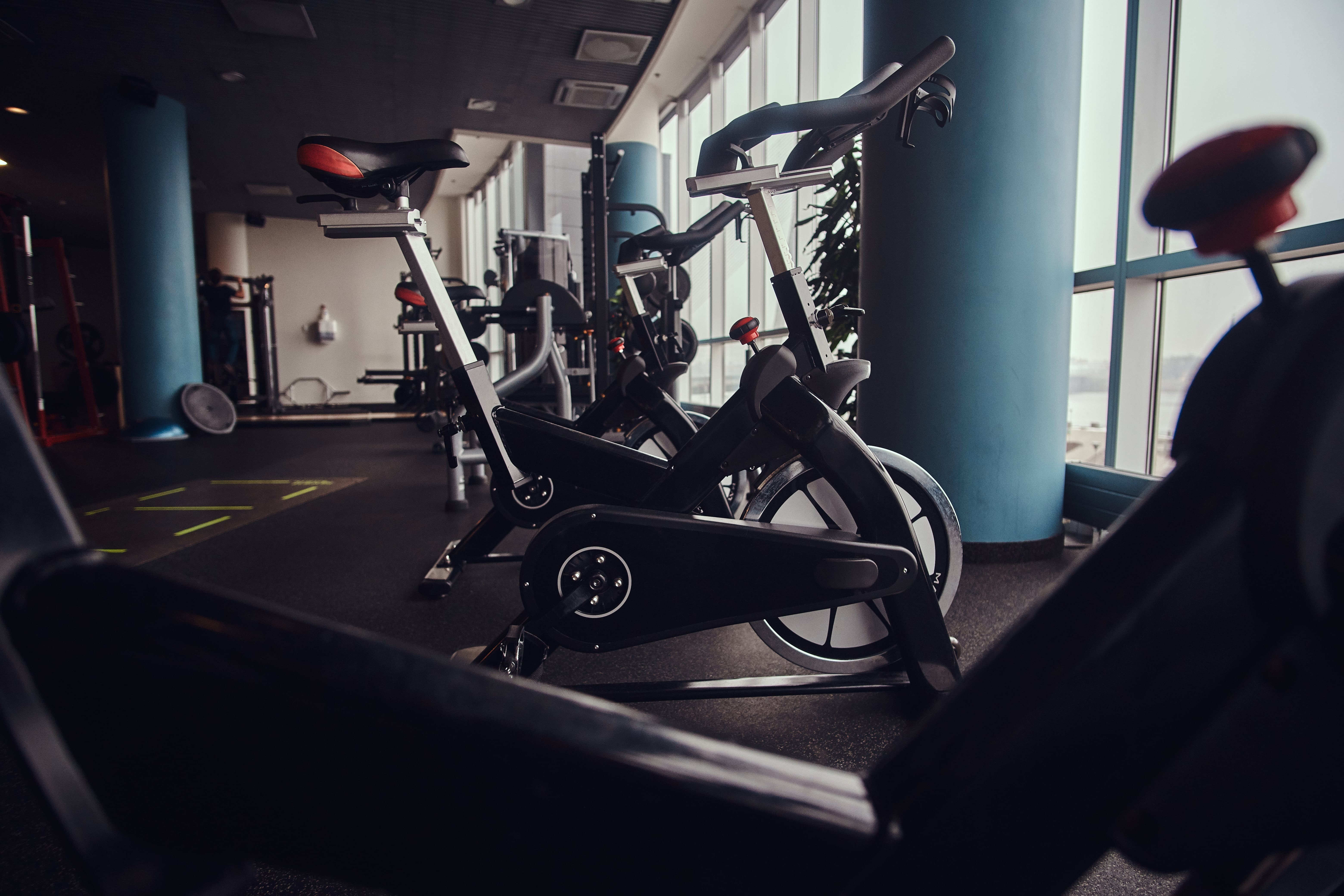
Whether pedaling delicately while watching the night news or pressing through an intense virtual mountain climb, purchasing an exercise cycle for home bike is an investment in long-term health, vigor, and well-being.