The Ultimate Guide to Finding and Choosing the Right Exercise Bike for Your Home In an age where benefit is king and preserving a healthy way of life is a top priority, home physical fitness equipment has actually seen a massive rise in popularity. Among the numerous cardio machines readily available, the exercise bike stays a timeless favorite. It provides a low-impact, high-efficiency workout that is mild on the joints while packing a serious punch in terms of calorie burn and cardiovascular health.
However, with many models, brand names, and technological functions flooding the marketplace, the search for the ideal exercise bike can feel overwhelming. Whether somebody is a seasoned cyclist aiming to preserve leg exerciser power throughout the off-season or a novice trying to kickstart a weight-loss journey, discovering the best fit requires cautious factor to consider.
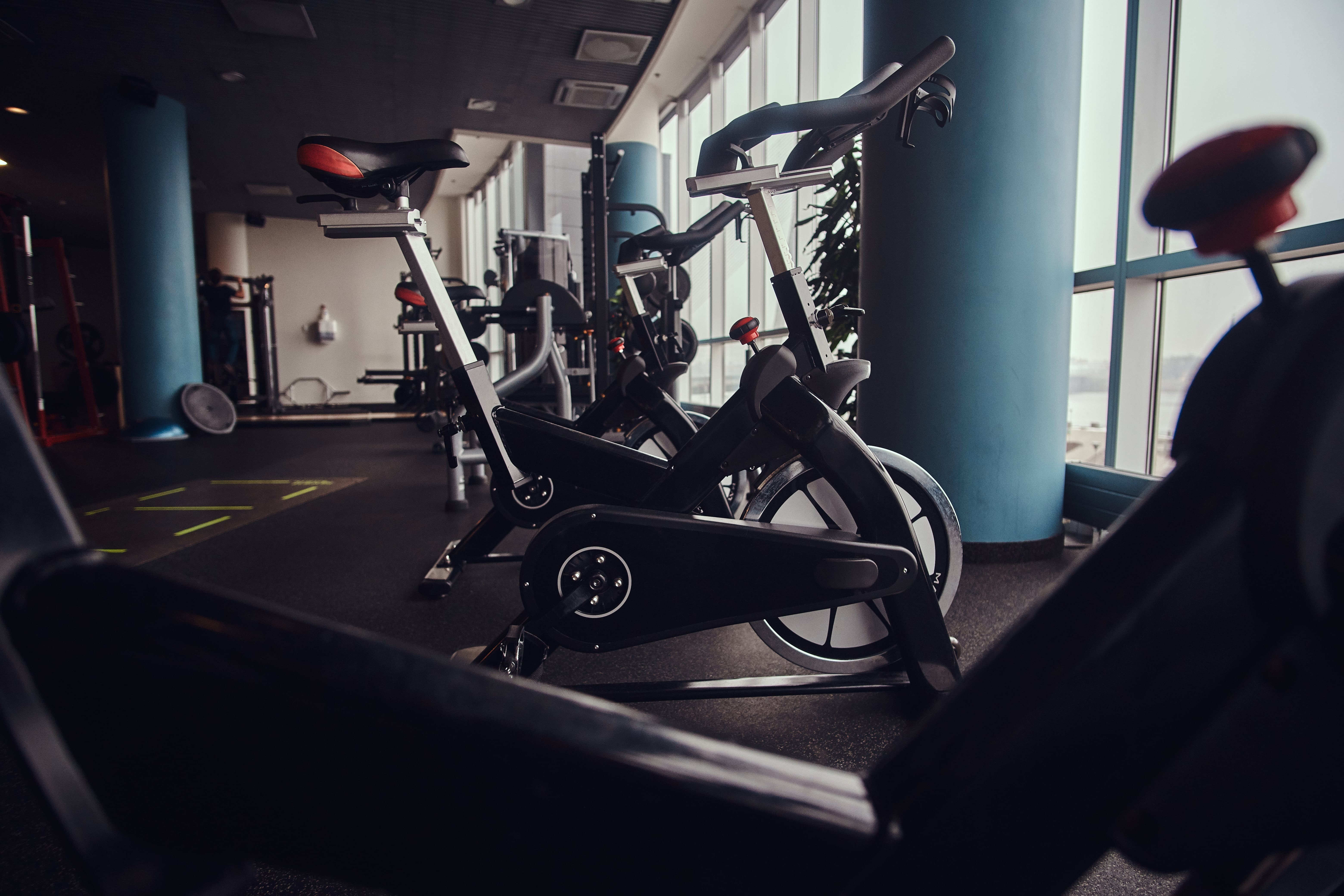
This guide checks out everything a buyer requires to understand when looking for stationary bicycle, breaking down the types, key functions, and how to select the finest one for specific physical fitness goals. Understanding the Main Types of Exercise Bikes Before diving into specific brands or rates tiers, it is vital to understand the three primary classifications of stationary bicycle. Each type serves a different function, accommodates different body types, and offers a distinct riding posture. 1. Upright Bikes Upright bikes closely imitate the feel of a standard outside road bicycle. The user sits upright, and the pedals are placed directly underneath the body. (Image: https://cdn.freshstore.cloud/template/images/7170/2/c/exercise-bikes-min-jpg-original.jpg)Best for: General physical fitness, indoor cycling classes, and users who desire a conventional bicycle feel.Pros: Compact footprint, engages the core more due to the absence of back assistance, and enables both seated and standing pedaling.Cons: Can trigger lower back or seat discomfort during long sessions for novices.2. Recumbent Bikes Recumbent bikes exercise for sale include an easygoing, bucket-style seat with a back-rest. The pedals are positioned out in front of the user instead of underneath. Best for: Individuals with lower pain in the back, seniors, or those recuperating from injuries.Pros: Excellent lumbar support, highly comfortable, and decreases pressure on the joints and glutes.Cons: Takes up more floor area than upright models and usually does not permit out-of-the-saddle climbing simulations.3. Indoor Studio Cycles (Spin Bikes) Studio cycles are constructed to duplicate high-intensity road biking or store spin classes. They feature heavy flywheel systems, adjustable handlebars, and sturdy frames created for aggressive riding. Best for: High-intensity interval training (HIIT), major cyclists, and fans of virtual biking apps like Peloton or Zwift.Pros: Extremely resilient, extremely adjustable fit, and smooth pedaling momentum.Cons: Often needs biking shoes (clipless pedals), and the racing saddles can be hard on unconditioned riders.Secret Features to Look For When shopping for a stationary bikes exercise bikes bicycle, purchasers should look beyond the aesthetic appeal and analyze the technical specifications. The list below components dictate the quality and durability of the device: Resistance System: Magnetic resistance is extensively thought about the gold standard since it is essentially quiet, uses smooth transitions, and needs practically no upkeep. Friction resistance (using felt pads) is less expensive but breaks with time.Flywheel Weight: Generally, much heavier flywheels (especially on spin bikes) offer a smoother, more natural momentum. A flywheel weighing in between 15 to 30 pounds is usually sufficient for most home users.Adjustability: A bike needs to get used to fit the user's body, not the other method around. Try to find seats that move both vertically and horizontally, and handlebars with multi-position changes.Console and Connectivity: Modern bikes vary from simple LCD screens showing standard metrics (time, speed, distance, calories) to massive HD touchscreens with integrated streaming memberships for live and on-demand classes.Weight Capacity: Always inspect the maximum user weight limitation to guarantee stability and safety during vigorous exercises.Contrast of Exercise Bike Types To assist summarize the differences, here is a fast contrast table outlining which bike fits specific requirements: Bike TypePrimary FocusFinest Suited ForFootprint SizeJoint ImpactUprightCardiovascular & & Core General fitness lovers Compact Low to Moderate Recumbent Comfort & Rehabilitation Senior citizens, backdiscomfort patients Large Really Low StudioCycle HIIT& Endurance Spin enthusiasts, advanced riders Medium Low Step-by-Step Buying Guide Discoveringthe idealdesign includes evaluating individual needs, area constraints, and financial parameters. Buyers ought to follow these essential steps: Assess AvailableSpace:Measure the designated exercise locationbefore shopping. Bear in mind that recumbent bikes have a longer profile, while upright and studio bikes take up less flooring space. Determine the Budget: Exercise bikes range from economical designs under ₤ 300 to luxury clever bikes exceeding ₤ 2,000. Remember that high-end models often need continuous month-to-month subscriptions for full performance. Assess Who Will Use It: If several household members of differing heights and fitness levels will use the bike, focus on quick-release modifications and universal pedal styles(like dual-sided pedals with toe cages and SPD clips ). Research Warranty and Customer Support: A great service warranty suggests a maker's self-confidence in their product. Search for a minimum of a 1-to-3-year guarantee on parts and electronic devices, and a life time guarantee on the frame. Essential Accessories to Enhance the Ride Purchasing the bike is only half the battle. To make the most of comfort and performance, riders typically buy a couple of supplemental products: Exercise Equipment Mat: Placed beneath the bike, this safeguards wood or carpeted floors from sweat and decreases vibrations. Gel Seat Cover: Highly advised for novices utilizing upright or studio bikes to alleviateinto the saddle discomfort phase. Heart Rate Monitor: Chest straps or armbands provide more accurate caloric burn and effort information than standard built-in pulse grips. Water Bottle Holder: Essential for stayinghydrated during long, sweat-inducing sessions. Looking for exercise bikes does not have to be a difficult undertaking. By comprehending the distinct advantages of upright, recumbent, and studio models, and by carefully examining functions like resistance systems, console tech, and develop quality, purchasers can find a machine that lines up perfectly with their way of life. Investing in a stationary bicycle is an investment in long-lasting health, using a trusted, weather-proof method to stay active from the convenience of home. Take the time to examine personal physical fitness objectives, determine the readily available area , and select a model that influences motion day after day.