
(Image: https://burst.shopifycdn.com/photos/rustic-snowy-sign-reads-private-keep-out.jpg?width=746&format=pjpg&exif=0&iptc=0)Introduction

The aviation industry has witnessed a significant transformation in recent years, with the rise of private jet travel becoming an increasingly viable option for many individuals and businesses. Traditionally, flying private was perceived as an exclusive luxury reserved for the ultra-wealthy. However, with the emergence of innovative solutions and a more competitive market, it is now possible to fly private for the cost of commercial air travel. This report explores the factors that contribute to this shift, the benefits of flying private, and a comparative analysis of costs associated with both travel options.
(Image: https://burst.shopifycdn.com/photos/people-viewed-on-a-commercial-airplane.jpg?width=746&format=pjpg&exif=0&iptc=0) The Changing Landscape of Private Aviation
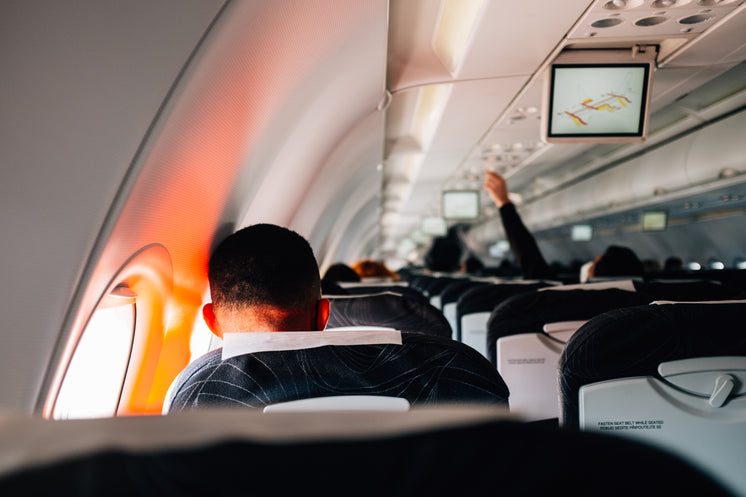
Historically, private aviation was synonymous with high costs and limited accessibility. However, the landscape has changed dramatically due to several key developments:
Fractional Ownership and Jet Cards: Fractional ownership allows individuals to purchase a share of a private jet, thereby reducing the cost burden while still enjoying the benefits of private travel. Jet cards offer a similar model, providing access to private jets for a fixed number of flight hours at a predetermined rate.
On-Demand Charter Services: The rise of on-demand charter services has democratized access to private jets. Companies like NetJets, Wheels Up, and VistaJet allow travelers to book flights on short notice, often at competitive rates compared to traditional commercial airlines.
Technological Advancements: The integration of technology in booking and managing private flights has streamlined the process, making it more user-friendly and cost-effective. Mobile apps and online platforms enable travelers to compare prices and book flights with ease.
Increased Competition: The entry of new players in the private aviation market has fostered competition, driving prices down and improving service offerings. This has made private flying more appealing to a broader audience.
Cost Comparison: Private vs. Commercial
To understand the financial implications of flying private versus commercial, it is essential to analyze the costs associated with each option:
Commercial Air Travel Costs
Ticket Prices: The average cost of a commercial flight can vary significantly based on factors such as distance, demand, and time of booking. For instance, a round-trip flight from New York to Los Angeles can range from $200 to $800, depending on the airline and class of service.
Additional Fees: Travelers often incur additional fees for baggage, seat selection, and in-flight services. These can add $50 to $200 to the overall cost of the trip.
Time Costs: Commercial travel involves long wait times at airports, including check-in, security clearance, and boarding. This can extend travel time significantly, often requiring travelers to arrive several hours before their flight.
Hidden Costs: Delays, cancellations, and missed connections can lead to unforeseen expenses, such as overnight accommodations and rebooking fees.
Private Air Travel Costs
Charter Costs: The cost of chartering a private jet can vary based on the type of aircraft, distance, and duration of the flight. For example, a light jet may cost around $2,500 to $5,000 per hour, while a larger jet can range from $5,000 to $10,000 per hour.
Shared Flights: Services that allow multiple passengers to share a flight can significantly reduce costs. For instance, a seat on a shared private jet may cost around $500 to $1,500, comparable to a commercial ticket.
Flexible Scheduling: Private flights offer the flexibility to depart at the traveler’s convenience, minimizing time spent at the airport and maximizing productivity.
No Hidden Fees: Unlike commercial airlines, private jet charters often have transparent pricing structures, with fewer hidden costs associated with the flight.
Benefits of Flying Private
Time Efficiency: One of the most significant advantages of flying private is the time saved. Private jets can access smaller airports closer to the traveler's destination, reducing ground transportation time and eliminating long security lines.
Privacy and Comfort: Private jets offer a level of privacy and comfort that commercial airlines cannot match. Passengers can conduct business meetings, relax, or enjoy personalized services without the distractions of a crowded cabin.
Customizable Experience: Private aviation allows for a tailored experience, with options for in-flight catering, entertainment, and cabin configurations that suit the passenger's preferences.
Safety and Health: In the wake of the COVID-19 pandemic, many travelers have prioritized health and safety. If you enjoyed this post and you would certainly like to obtain even more details regarding Private Flight reviews by private jet rental kindly browse through our own web site. Private jets offer a controlled environment with fewer touchpoints, reducing exposure to potential health risks.
Case Studies
To illustrate the cost-effectiveness of flying private, consider the following case studies:
Business Executive: A business executive frequently travels between cities for meetings. By utilizing a jet card program, the executive can access private jets for approximately $1,200 per hour. Considering the time saved and the ability to conduct meetings en route, the overall cost is justified compared to commercial flights that require extensive layovers and delays.
Family Vacation: A family of four plans a vacation from New York to Miami. By booking a shared private flight, they can travel for around $1,200 total, which is comparable to the cost of four commercial tickets. The added benefit of avoiding airport hassles makes the private option more appealing.
Conclusion
Flying private for the cost of commercial travel is no longer a distant dream for many individuals and businesses. With the evolving landscape of private aviation, it is possible to enjoy the numerous benefits of private flying without breaking the bank. As the market continues to grow and innovate, travelers are encouraged to explore the various options available, ensuring they make informed decisions that align with their travel needs and budgets. The future of aviation is not only about luxury but also about accessibility and efficiency, making private travel a compelling alternative to commercial flights.