Introduction
Modafinil, a wakefulness-promoting agent, has gained popularity in recent years for its cognitive-enhancing effects. Originally developed to treat narcolepsy and other sleep disorders, it has attracted the attention of students, professionals, and others seeking to improve their focus and productivity. With the rise of online pharmacies, many individuals are now purchasing modafinil without a prescription, raising significant ethical, legal, and health concerns. This case study explores the implications of this trend, examining motivations, risks, and potential regulatory responses.
Background
Modafinil was approved by the U.S. Food and Drug Administration (FDA) in 1998 for the treatment of narcolepsy and later for shift work sleep disorder and obstructive sleep apnea. It is classified as a Schedule IV controlled substance in the United States, meaning it has a lower potential for abuse compared to other drugs but still requires a prescription. Despite this regulation, the internet has made it easier for consumers to access modafinil without proper medical oversight.
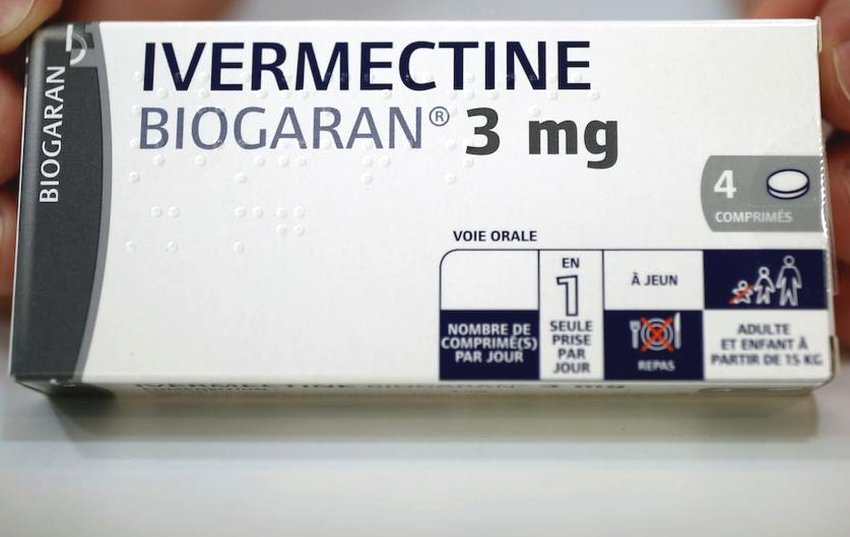
(Image: https://www.zdravezpravy.cz/wp-content/uploads/2021/05/ivermektin.jpg) Motivations for Purchasing Modafinil Online
Accessibility: One of the primary reasons individuals choose to buy modafinil online is the ease of access. Many online pharmacies do not require a prescription, allowing consumers to bypass the traditional healthcare system. This is particularly appealing to students and professionals who may not have the time or resources to consult a doctor.
Cost: Purchasing modafinil online can often be cheaper than obtaining it through a pharmacy with a prescription. This cost-effectiveness is attractive to individuals who may be on a budget but still wish to enhance their cognitive performance.
Stigma and Privacy: Many individuals feel uncomfortable discussing their need for cognitive enhancers with a healthcare provider due to stigma. Buying online allows for greater privacy and discretion, as consumers can avoid potential judgment from medical professionals.
Perceived Safety: Some consumers believe that because modafinil is a prescription medication, it is inherently safe. This misconception can lead individuals to underestimate the risks associated with self-medication and the importance of medical guidance.
Risks of Purchasing Modafinil Online
Quality Control: One of the most significant risks of buying modafinil online is the lack of quality control. Many online pharmacies operate without proper regulation, leading to the potential for counterfeit or substandard products. This can result in ineffective treatment or harmful side effects.
Health Risks: Taking modafinil without medical supervision can pose serious health risks. Individuals may experience side effects such as headaches, nausea, anxiety, and insomnia. Moreover, those with underlying health conditions or those taking other medications may face dangerous interactions.
Legal Consequences: Purchasing modafinil without a prescription can have legal implications. In many jurisdictions, it is illegal to obtain prescription medications without a valid prescription. Consumers may face fines or other legal repercussions if caught.
Dependence and Misuse: The potential for dependence on modafinil is another critical concern. While it is less addictive than other stimulants, individuals may develop a psychological reliance on the drug to perform at work or school, leading to a cycle of misuse.
Case Examples
To illustrate the implications of buying modafinil online without a prescription, consider the following case studies:
Case Study 1: The College Student
A college student, overwhelmed by academic pressures, decides to purchase modafinil online without a prescription. Initially, the student experiences improved focus and productivity during exam periods. However, after several months of use, they begin to experience anxiety and insomnia. The student’s academic performance declines, leading to a reliance on modafinil to maintain their grades. Eventually, they seek medical help, only to discover that their symptoms are exacerbated by their unregulated use of the drug.
Case Study 2: The Young Professional
A young professional in a competitive work environment turns to modafinil to enhance productivity and manage long hours. They purchase the drug online and initially find it effective. However, over time, they develop a tolerance, requiring higher doses to achieve the same effects. The professional experiences increasing side effects, including severe headaches and mood swings, ultimately affecting their job performance. They realize too late that their self-medication has led to a decline in their overall health and well-being.
Regulatory Responses
In light of the growing trend of purchasing modafinil online without a prescription, regulatory bodies are beginning to take action. Some potential responses include:
Stricter Online Pharmacy Regulations: Governments may implement stricter regulations for online pharmacies, requiring them to verify prescriptions and ensure the quality of medications sold.
Public Awareness Campaigns: Educating the public about the risks associated with buying prescription medications online can help deter individuals from engaging in this behavior. Campaigns could target college students and young professionals, emphasizing the importance of consulting healthcare providers.
Telemedicine Solutions: Expanding access to telemedicine services can provide individuals with a legitimate avenue to obtain prescriptions for medications like modafinil. By making healthcare more accessible, individuals may be less inclined to seek out unregulated online sources.
Conclusion
The trend of buying modafinil online without a prescription raises significant ethical, legal, and health concerns. While the motivations behind this behavior are understandable, the risks associated with self-medication cannot be overlooked. As the popularity of cognitive enhancers continues to rise, it is crucial for individuals to prioritize their health and well-being by seeking proper medical guidance. Regulatory bodies must also take action to address the challenges posed by online pharmacies, ensuring that consumers have access to safe and effective treatments. Ultimately, fostering a culture of responsible medication use will benefit both individuals and society as a whole.